Grant Coach Office Hours via ZOOM
Categories: Graduate Students, Postdocs
Have a question about your grant proposal? Meet 1:1 with our trained Grant Coaches to answer questions, find resources, obtain advice or evaluate draft documents. Grant Coach Office Hours are generally limited to 3 hours per trainee per year.
Request a meeting with a Grant Coach: Signup (click here)
A Grant Coach will follow up with you in 5-7 business days after the form is submitted.
Learn more about our Grant Coaches:

Dr. Amy Nippert is a postdoctoral scholar at Stanford where she researches chronic pain. In both her graduate and postgraduate work, Amy has written multiple grants as well as served on informal grant study sections. In parallel to her academic writing, Amy has also focused on science communication, writing and editing articles for the general public. Amy is passionate about helping others achieve their writing goals. Starting from an undergraduate position as a writing tutor, she has continued to teach, mentor, and edit. As a grant coach, Amy is excited to help guide graduate students along the grant writing journey. In her spare time, Amy enjoys curling, ceramics, and reading science fiction.
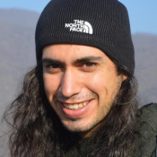
Dr. Troy Dildine is a NIDA T-32 Postdoctoral Scholar within the Pain Division at Stanford University School of Medicine under the mentorship of Dr. Sean Mackey. He received his PhD from the Graduate Partnership Program (GPP) between the National Center for Complementary and Integrative Health at the National Institutes of Health and the Clinical Neuroscience Department at Karolinska Institutet. Troy’s research is focused on identifying the influence of sociocultural factors on pain expression and pain assessment. With the help of the Jump Start award, Troy will be applying for an NIH K award to further his development and continue to advance his research in health equity.
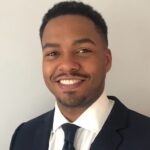
Dr. Jordan Taylor Moore, a 2023 graduate of The Ohio State University’s Biomedical Engineering PhD Program, completed his graduate studies under the guidance of Dr. Daniel Gallego Perez. Currently a second-year postdoc at Stanford University, he is co-mentored by Drs. Sarah Heilshorn and Marion Buckwalter. His postdoctoral training focuses on developing injectable drug depots for blood-brain-barrier repair and immunomodulation following ischemic stroke. Jordan is a 2021 recipient of the NIH/NINDS DSPAN F99/K00 Award, a Stanford Propel Fellow, and was recently awarded the Burroughs Wellcome Fund PDEP award. In addition to his research, Jordan actively contributes to community wellness initiatives for underrepresented populations in STEM, through organizations such as the Stanford Black Postdoc Association and GLAM Inclusion Committee.
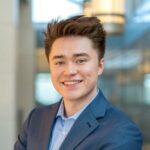
Dr. Brendan Ball is a Postdoctoral Scholar in the Department of Pathology at Stanford University, where his research uses systems biology and computational approaches to understand how cancer cells spread to other parts of the body. He is currently a Propel Postdoctoral Fellow and recipient of the NIH National Institute on Aging’s Butler-Williams Scholars Program. Prior to Stanford, Brendan pursued undergraduate studies in Chemical Engineering at the University of Washington and his PhD in Biomedical Engineering at Purdue University. During his graduate studies, he received numerous competitive fellowships, including the NSF Graduate Research Fellowship Program, NIH NIDDK (National Institute of Diabetes and Digestive and Kidney Diseases) T32 training fellowship, among other awards. Now a Grant Coach, Brendan is dedicated to supporting individuals in achieving their writing and professional goals. He has helped others prepare successful fellowship applications for the NSF, NIH, and other external foundations. Outside of the bustling world of research, you will often find him playing soccer, hiking, or trying out the best food spots in town.
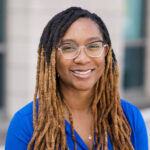
Dr. Brittany Bush is a postdoctoral fellow in the department of Psychiatry and Behavioral Sciences (Giardino Lab) investigating sex differences in neurocircuitry involved in sleep regulation, stress response, and reward. She is a proud graduate from historically black universities earning her BS in Biology from Savannah State University, and her, MS in biomedical research, MS in Clinical Research, and PhD in Biomedical Sciences all from Morehouse School of Medicine. Dr. Bush is currently a Howard Hughes Medical Institute 2024 Hanna Gray Postdoctoral Fellow and Stanford Propel and Stanford PRISM fellowship Alumni. While at Stanford, she has served as also Co-President of the Stanford Black Postdoc Association, facilitator for the Pathways to Neuroscience Program, and works closely with the MCHRI DRIVE summer program. She is passionate about increasing minority representation in STEM and mentoring students of color interested in pursuing a STEM career. As a co-lead for the Intro to Grant Writing Course, Brittany combines her passion for mentoring diverse trainees with practical guidance on preparing a strong grant application they can be proud of while managing the grant writing process with low stress. She is excited to share her tips and tricks to becoming a successful and effective grant writer.
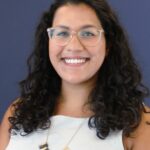
Dr. Mekhala Dissanayake is a postdoctoral fellow in the Department of Pediatrics. She received her PhD in Epidemiology at UNC Chapel Hill. As a public health researcher, her work is at the intersection of social epidemiology and health services research, focusing on how availability, accessibility, and quality of healthcare contribute to maternal health disparities. Her grant writing experience includes an R36 Dissertation Award as a doctoral student and an NIH Loan Repayment award for Health Disparities Research as a postdoc, the latter of which she developed in a Stanford proposal bootcamp. She hopes to support diverse groups of graduate students and postdocs in their grant writing process through her involvement in BIOS 432: Boost your Research Productivity With Design Thinking Tools. When she’s not writing grants, Mekhala is reading fantasy/science fiction novels, cooking, or playing pickleball.
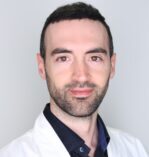
Dr. Antonio Tomasso is postdoctoral scholar at Stanford Medicine – Department of Surgery. He is a recipient of the NWO/Dutch Research Council Rubicon grant and the Horizon Europe Marie Skłodowska-Curie Actions (MSCA) Global Fellowship, investigating the cellular and molecular drivers of tissue regeneration and fibrosis. His ultimate goal is to identify therapeutic targets enhancing organ and tissue repair after injury or disease. He earned his BSc and a MSc in Medical and Molecular Biotechnology from Vita-Salute San Raffaele University in Milan, and a PhD in Cellular and Molecular Life Sciences at the Max Planck Institute for Molecular Biomedicine in Germany. Having conducted research across five countries, including at the Karolinska Institute, University of Kentucky and Hubrecht Institute, he brings a deep foundation in regenerative medicine, molecular biology and translational research. He has gained extensive experience writing and securing competitive grants and has developed a practical toolbox of strategies for navigating the challenges of grant applications. As a Grant Coach, he is committed to sharing what he has learned, best practices and common pitfalls to help students and postdocs strengthen their applications, particularly for international grants, and achieve their professional goals. Beyond the lab, he enjoys hiking, ballroom and bachata, working out and exploring Bay area cafes in search of the best espresso.
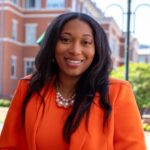
Dr. Chelse Spinner is a Postdoctoral Fellow in the lab of Dr. Suzan Carmichael (Department of Pediatrics, School of Medicine), with the Stanford Center for Promoting Improvement in Hemorrhage-related Severe Maternal Morbidity (PRIHSM). Her research utilizes quantitative and qualitative methods to understand drivers of hemorrhage, as well as explore social and structural factors that impact maternal health and well-being. She is a 2025 recipient of the NIH/NICHD Loan Repayment Program (LRP) in Health Disparities Research award. As a Grant Coach, Chelse co-teaches the NRSA Proposal Bootcamp and Introduction to Grant Writing courses. Through these courses, she demystifies the grant writing process, shares expertise, and fosters an inclusive and supportive writing community. She contributes as an active member of the grant writing community by providing meaningful feedback to graduate students and other postdoctoral fellows. In her free time, she enjoys socializing with family and friends, reading, listening to music, and watching movies.
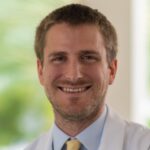
Dr. Cameron Bader is a postdoctoral scholar and immunologist in the Division of Blood and Marrow Transplantation at Stanford University. His graduate studies investigated the role of the innate immune sensor STING in murine models of graft-versus-host disease and bone marrow transplantation. In his postdoctoral training, he has continued to investigate novel strategies to augment hematopoietic cell transplantation as a cure for cancer, to improve solid organ transplantation, and to prevent neurodegenerative disease with animal models and bioinformatic approaches in humans. Cameron has been the recipient of NIH F31 and F99/K00 fellowships and is now funded by a K99/R00 career development award which has supported his transition to Assistant Professor at the University of Wisconsin-Madison beginning December 2026. Cameron is passionate about mentorship and teaching and is excited to apply his experience to help graduate and postdoctoral grant writers achieve their goals. Outside of science, Cameron enjoys spending time with his wife, dog, and experimenting with new ingredients in the kitchen.
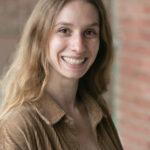
Dr. Kate MacDonald is a postdoc in the Cimprich Lab, in the Department of Chemical and Systems Biology. She holds a PhD in Medical Biophysics from the University of Toronto and a BS in Cell Biology from the University of British Columbia. Her research focuses on DNA damage and cell cycle errors in otherwise healthy cells, and she earned a Damon-Runyon postdoctoral grant to support her fellowship. Outside the lab, Kate’s work focuses on science communication. She developed and teaches the popular Storytelling in Science course for graduate students (BIOS 450) and leads the Online Grant Proposal Bootcamp for grad students and postdocs (BIOS 425). She shares scientific articles for a lay audience on Substack (@katemacdonaldphd) and writes science books for kids, including fiction (Izzy Steam) and non-fiction (Why Trust a Scientist?). She aims to equip you with the tools you need to clearly communicate your discoveries in grants, papers, and public presentations.
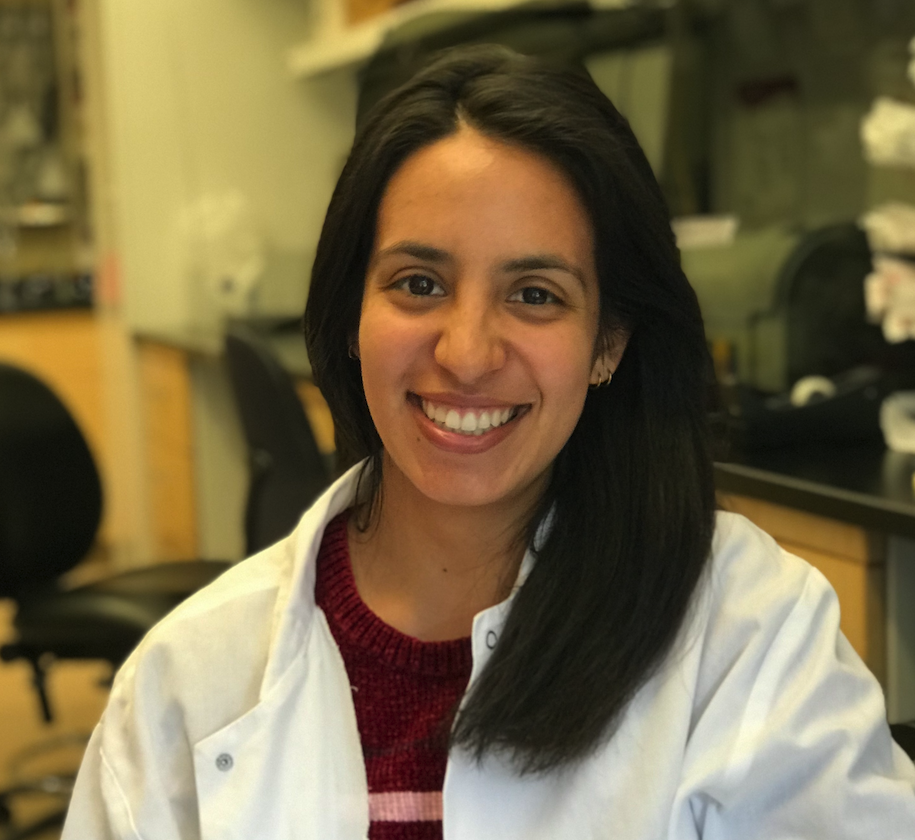
Dr. Sophia Mahoney is a translational vascular scientist and a postdoctoral scholar in the division of Cardiovascular Medicine. Her research focuses on integrating single-cell technologies and vascular physiology to uncover novel pathways that underlie age-related vascular stiffness. She earned her B.S. in Molecular Biology from the University of California Santa Cruz and received her M.S. and Ph.D. training in Integrative Physiology from the University of Colorado Boulder. Sophia has been the recipient of several prestigious fellowships including the NIH/NHLBI F31 Predoctoral Award, NIH/NHLBI T32 Postdoctoral Training Grant, and Fulbright Scholarship. When not analyzing sequencing data, Sophia can be found outdoors. She is an avid trail runner, rock climber, and skier who spends her weekends exploring routes in Yosemite and Lake Tahoe.
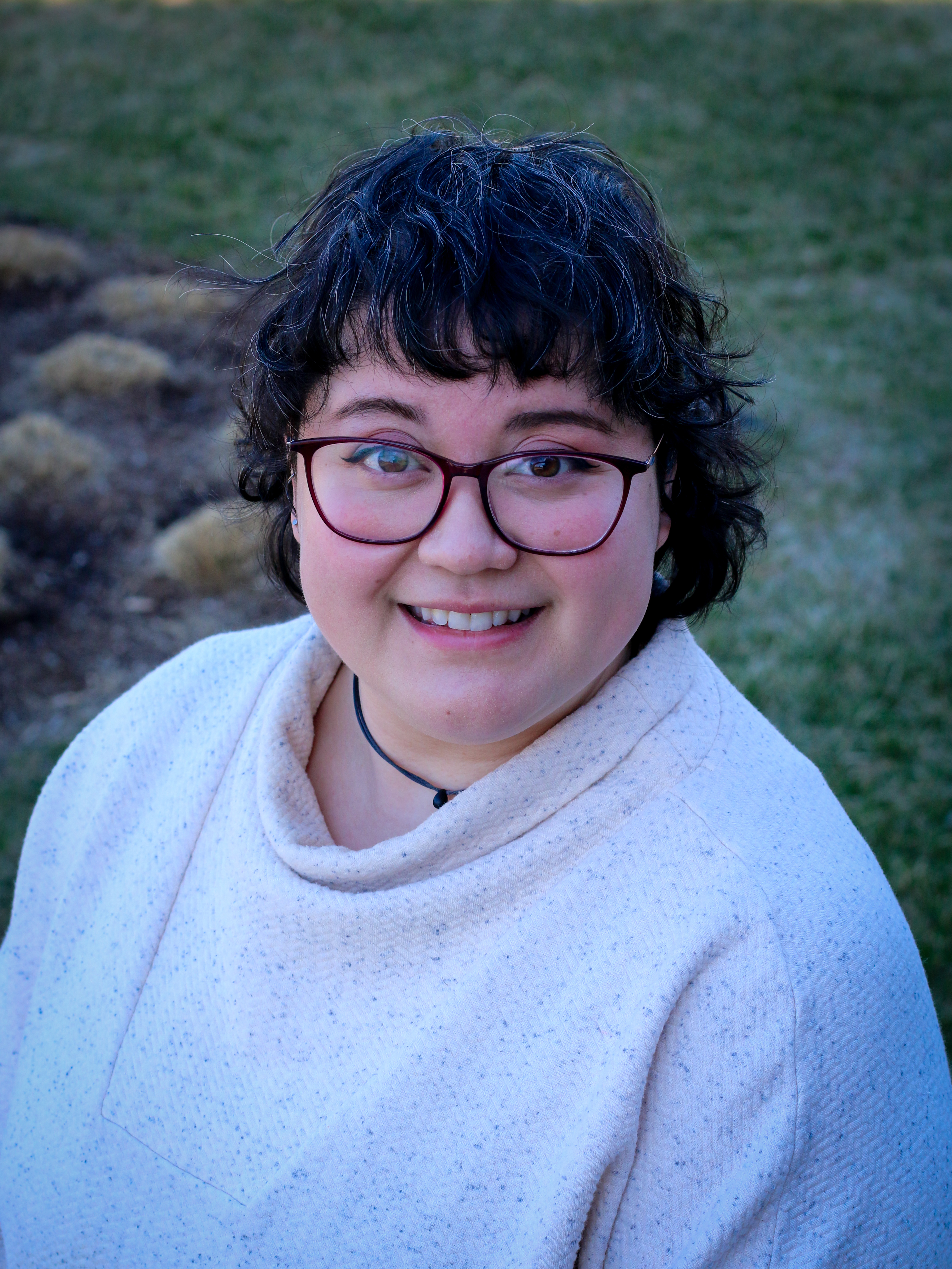
Dr. Anne Kaditya Snyder is a postdoctoral scholar in the Department of Biochemistry at Stanford University investigating how mutations in cardiac myosin affect heart function and the efficacy of current therapeutics. Dr. Snyder received her undergraduate degree from the University of Colorado Boulder with a BA in Molecular Biology and French Literature and went on to the University of Vermont where she received her PhD in Biomedical Sciences. Anne has had a lifelong passion for improving science communication and accessibility. She proudly served as a writing consultant at the Graduate Writing Center in Vermont where she provided one-on-one feedback to graduate students at various stages of the writing process and developed workshops tailored to writing in specific STEM fields. She has previous experience both writing and leading workshops on NSF-GRFP and NIH F-series grants. Drawing on her experience as a writing consultant as well as her own grant writing experience, she is particularly interested in alleviating the anxieties associated with the writing process and finding creative ways to get “unstuck”. In her free time, she enjoys watching horror movies, playing music, and hiking.