Jump Start Awardees
Learn More: Stanford’s Jump Start Awards for Excellence in Research for Postdoctoral Scholars / Fellows
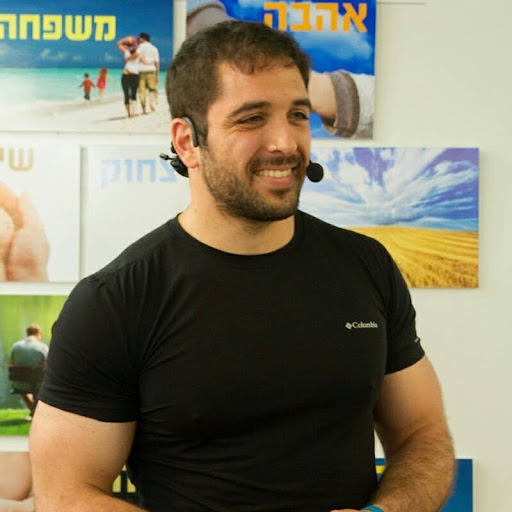
Dr. Afik Faerman is a clinical neuropsychology postdoctoral scholar and an NIMH T32 fellow at the Stanford Psychedelics and Consciousness Lab (PI: Nolan Williams) and the Center for Mind, Body, and Health (PI: David Spiegel). He completed his clinical training at the University of California, San Francisco (UCSF) and Baylor College of Medicine and earned his Ph.D. in clinical psychology with emphasis in neuropsychology from Palo Alto University. His research centers on the modulation of consciousness and its clinical relevance, focusing on psychedelics, brain stimulation, hypnosis, sleep, and performance. His work has been acknowledged and supported by the American Psychological Association (APA), the Society for Clinical and Experimental Hypnosis (SCEH), the American Society for Clinical Hypnosis (ASCH), the Sleep Research Society (SRS), and more. He is the president-elect of the APA Division 30 (Psychological Hypnosis) and is the past chair of the Student Committee at the Association for the Scientific Study of Consciousness (ASSC).
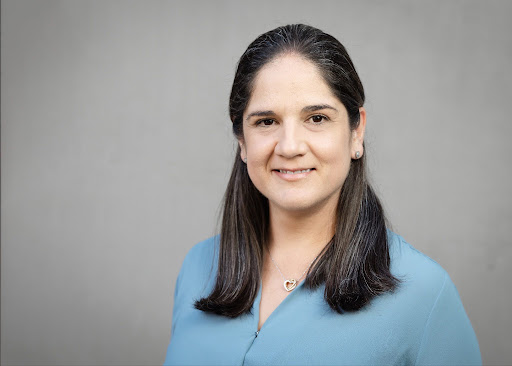 Dr. Andrea Pedroza is a postdoctoral scholar at Stanford Impact Labs and the Department of Pediatrics in the Partnerships for Research in Child Health Lab. She holds a Ph.D. in Global Health from the University of California, San Francisco (UCSF) and a Master of Science in Nutrition from the National Institute of Public Health in Mexico (INSP). With a primary focus on minorities in the US and low- and middle-income countries, her goal is to generate evidence for interventions and policy recommendations aimed at improving the dietary quality of children, ultimately reducing health disparities. Currently, she employs a community-engaged approach to design nutrition interventions and policy recommendations, with the goal of reducing the consumption of ultra-processed foods at school and home to narrow the gap in health disparities.
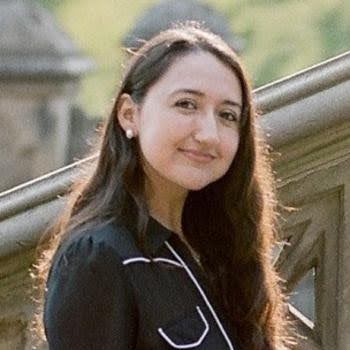 Dr. Astrid N. Zamora (she/her/ella), received her Ph.D. from the University of Michigan School of Public Health and her MPH from the University of Berkeley School of Public Health. She is a T32 NHLBI postdoctoral research fellow at the Stanford Prevention Research Center. Her work to date has utilized robust birth cohort data to examine associations between exposure to endocrine-disrupting chemicals and dietary patterns with subsequent sleep and metabolic health outcomes among Latinx populations. Her future research agenda aims to elucidate the intricate connections between the built environment and physical activity and their implications for psychosocial and metabolic changes within minoritized communities.
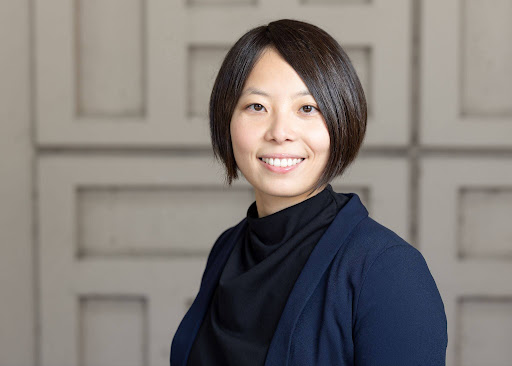 Dr. Eri Takematsu is a postdoctoral scholar in the Charles Chan Laboratory at Stanford Medicine’s Department of Surgery. She holds a Ph.D. in Biomedical Engineering from the University of Texas at Austin. Her current research is dedicated to advancing protein-based regenerative medicine, specifically targeting skeletal stem cells to regenerate bone and cartilage. Supported by institutions such as the California Institute of Regenerative Medicine, the American Society for Bone and Mineral Research, the Japan Society for the Promotion of Science, and Stanford’s Crystallography Macromolecular Structure Knowledge Center, Dr. Takematsu’s work contributes significantly to the development of therapeutic proteins aimed at treating a variety of skeletal disorders, including osteoarthritis, osteoporosis, and craniofacial abnormalities.
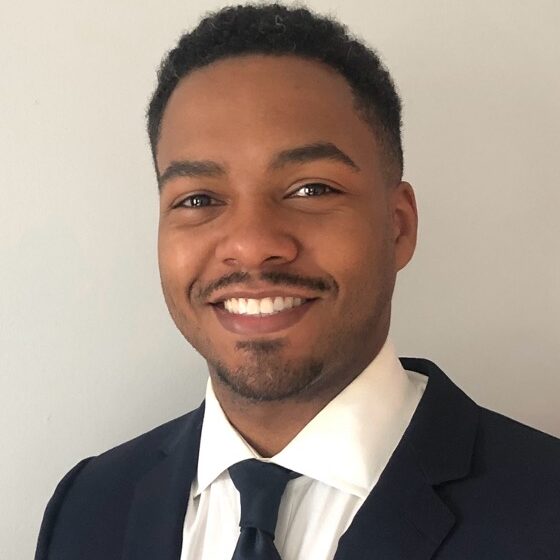
Dr. Jordan Taylor Moore is currently a postdoctoral fellow at Stanford University, appointed in both the Departments of Materials Science & Engineering and Neurology. He earned his Ph.D. from The Ohio State University within the Department of Biomedical Engineering, where he was mentored by Dr. Daniel Gallego Perez. During his doctoral studies, Jordan’s research primarily centered around the application of electroporation for gene delivery in vivo, with a specific focus on cell-reprogramming. His work in his Ph.D. program aimed to address the restoration of blood flow to damaged peripheral nerves, contributing to the promotion of nerve regeneration and functional recovery. As a postdoctoral researcher, Jordan is currently co-mentored by Professor Sarah Heilshorn and Dr. Marion Buckwalter. In this role, he is dedicated to the development of innovative biomaterial-based platforms for gene and drug delivery. His research focuses on the treatment of stroke-related injuries and the prevention of cognitive decline.
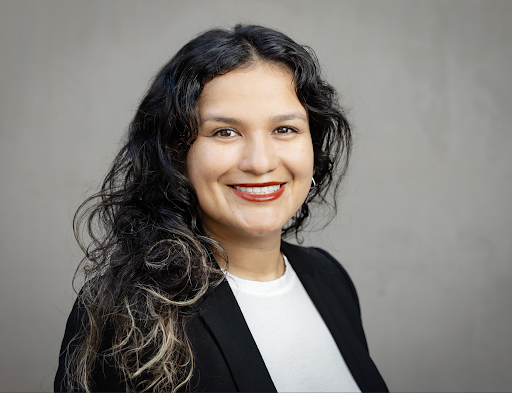
Dr. Josefina Flores Morales is a Propel Postdoctoral Scholar at Stanford University in the Department of Epidemiology and Population Health (with Dr. Mathew Kiang’s lab). Josefina earned her doctorate degree in sociology at the University of California, Los Angeles. Her research interests include immigrant health, immigration, structural racism, social demography, and education. She was part of the inaugural cohort of the Health Policy Research Scholars program, supported by the Robert Wood Johnson Foundation. Her long-term research agenda aims to better understand mechanisms driving inequality among older-adults in order to identify promising policy interventions. For fun, Josefina enjoys dancing bachata and salsa, running, and playing soccer.
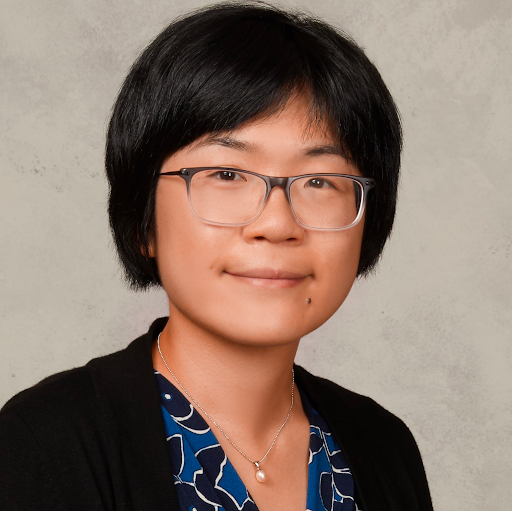
Dr. Theresa Lii (she/her), is a pain management physician and postdoctoral research fellow at Stanford University. She received her undergraduate and medical degree at Brown University and completed residency and fellowship training at Stanford. Her research is focused on understanding the therapeutic versus placebo mechanisms underlying ketamine and other psychedelic compounds used for the treatment of chronic pain and depression. Through the Jump Start award, Theresa is applying for a NIH K23 award and other mentored research training grants from the Foundation for Anesthesia Education and Research (FAER) and International Anesthesia Research Society (IARS).
Dr. Troy Dildine is a NIDA T-32 Postdoctoral Scholar within the Pain Division at Stanford University School of Medicine under the mentorship of Dr. Sean Mackey. He received his PhD from the Graduate Partnership Program (GPP) between the National Center for Complementary and Integrative Health at the National Institutes of Health and the Clinical Neuroscience Department at Karolinska Institutet. Troy’s research is focused on identifying the influence of sociocultural factors on pain expression and pain assessment. With the help of the Jump Start award, Troy will be applying for an NIH K award to further his development and continue to advance his research in health equity.
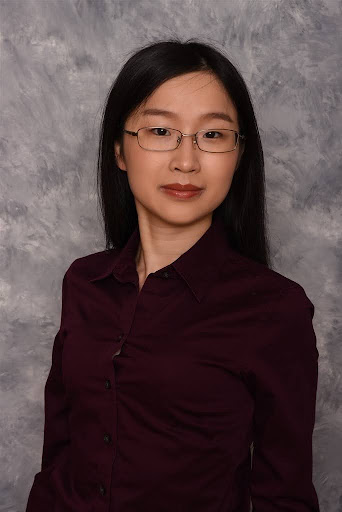 Dr. Yihe Ma is a Postdoctoral Scholar in the lab of Dr. William Giardino in the Department of Psychiatry and Behavioral Sciences, co-advised by Dr. Julie Kauer. Yihe received her Ph.D degree in physiology at the University of Wisconsin-Madison. Her research leverages state-of-the-art optical tools and electrophysiology to examine the function of neuropeptide systems in alcohol use disorders and sleep. In the future, Yihe aims to explore the physiological and molecular properties of an understudied neuronal population activated by alcohol and substances of abuse.
 Dr. Alexis Reeves is a Propel Postdoctoral Scholar in the Department of Epidemiology and Population Health in the School of Medicine with Dr. Michelle Odden’s lab. Alexis holds a BS in Biological Sciences from University of California Irvine, an MPH in Epidemiology/Biostatistics from University of California Berkeley and a Doctorate in Epidemiologic Science from the University of Michigan. Her research is broadly focused on the causes and consequences of racial disparities in accelerated aging. She is particularly interested in the interplay of structural and interpersonal racism, and the psychobiological mechanisms in which they produce early health declines in minoritized populations. Her work to date has focused on the health of Black women as they enter into life-stages, such as the midlife menopausal transition, where cardio-metabolic risk is high. Alexis also has a strong interest in causal inference, and applies causal inference theory and methods to these areas of research to mitigate and quantify bias.
 Dr. Chelsie Brewer is a Postdoctoral Fellow in the lab of Julie Kauer, PhD in the Department of Psychiatry and Behavioral Sciences. Chelsie completed her doctoral studies in neuroscience at the University of Cincinnati with Dr. Mark Baccei. Her research focuses on pain transmission and dysfunction—she began this work by studying the development and maturation of neural circuits involved in pain and itch, and she is currently focusing on how injury permanently alters specific circuits in pain neurotransmission. In the future, she will move into osteoarthritis research, a prevalent disease with high unmet clinical need for improved therapeutics.
 Dr. Diana Jeong is a Postdoctoral Scholar in the Radiology Department, working with Dr. Craig Levin in the Molecular Imaging Instrumentation Laboratory. Her postdoctoral research focuses on developing a novel radiation mechanism to significantly enhance the timing capabilities of time-of-flight positron emission tomography (PET). Diana received her Ph.D. in physics from UC San Diego in developing an automated laser surgical tool for preclinical imaging applications. Her long-term research goal is to develop a multimodal imaging technique that bridges optical imaging and PET in the clinic. Through the Jump Start award, Diana is conducting a pilot study and applying for NIH K awards.
 Dr. Emily A. Jones is an A.P. Giannini Postdoctoral Fellow in Dr. Lisa Giocomo’s lab in the Department of Neurobiology. Her research examines how neural firing sequences enable the entorhinal cortex to encode, consolidate, and update representations of physical space. Her graduate work at UCSF identified a novel biomarker of cognitive decline in Alzheimer’s disease, rescued epileptiform activity and cognitive decline using a repurposed drug, and distinguished how inhibitory neuron populations act as gatekeepers of inputs to the hippocampus. Her future work aims to understand the effects of losing these inhibitory neurons in Alzheimer’s disease to identify potential treatments.
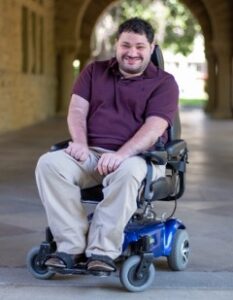 Dr. Kevin Mintz received his Ph.D. from the Department of Political Science at Stanford University in 2019. He also holds an AB in Government from Harvard College, an MSc in Political Theory from the London School of Economics and Political Science, and a Doctorate of Human Sexuality from the Institute for Advanced Study of Human Sexuality. Prior to returning to Stanford as a Postdoctoral Fellow in Ethical, Legal, and Social Implications of Genetics and Genomics at Stanford’s Center for Biomedical Ethics, Kevin was a Postdoctoral Fellow in The Department of Bioethics at the National Institutes of Health. His research focuses on disability bioethics and how to promote anti-ableism in precision medicine and research. His work has appeared in a variety of academic journals and newspapers, including Pediatrics, The Hastings Center Report, and the Los Angeles Times.
 Dr. Linda Koh, RN, is a Postdoctoral Research Scholar at Stanford University School of Medicine in the Division of Pediatric Gastroenterology, Hepatology, and Nutrition. Linda completed her PhD in Nursing at the University of Massachusetts Amherst and her MS with a concentration in Public Health at Andrews University. She has 20 years of nursing experience, including working with under-resourced and minoritized communities. Her research focuses on plant-based nutrition, health promotion, and resting energy expenditure in pediatric populations after vertical sleeve gastrectomy. Her long-term goal is to foster academic-community partnerships to co-create sustainable health promotion policies and praxis through community-based nutrition interventions.
 Dr. Mable Lam is a Helen Hay Whitney Postdoctoral Fellow in the laboratory of Dr. Brad Zuchero in the Department of Neurosurgery. She received her PhD from University of California – San Francisco (UCSF), where she investigated the cell biology and biochemistry of membrane trafficking in the laboratory of Dr. Peter Walter. These studies motivated her current research to identify membrane trafficking pathways for the formation of myelin, an insulating membrane sheath around axons that accelerates conduction velocity. In the future, she plans to elucidate cellular pathways that drive myelin remodeling during neuroplasticity and myelin regeneration in the context of demyelinating diseases.
 Dr. Shahzad Khan is a Stanford Biochemistry Postdoctoral Scholar in the lab of Suzanne Pfeffer, PhD. Shahzad completed his graduate studies in the lab of George Bloom, PhD at The University of Virginia (UVA). At UVA, Shahzad investigated Alzheimer’s disease pathogenesis. His current research explores the molecular basis of inherited Parkinson’s disease. Specifically Shahzad seeks to understand how disease-causing mutations in the LRRK2 kinase compromise striatonigral circuitry. His future work will explore how extracellular cues are sensed and processed by neural cells, and how a failure to respond to environmental stimuli contributes to neurodegenerative disease.
 Dr. Sophia Parks is a Stanford Propel Postdoctoral Scholar in the Pediatric Infectious Disease Department in the lab of Manuel Amieva, MD, PhD. She obtained her PhD at the University of California, Riverside in the Nematology Department with Adler Dillman, PhD. Her previous research focused on understanding how parasitic nematodes utilize secreted proteins to evade and subvert host immunity. Similarly, her current research aims to investigate how Helicobater pylori colonizes and persists in the gastric gland, eventually causing cancer. Her future work will strive to elucidate the role of pathogen associated molecules on immune evasion and disease pathology to tease apart intricate host pathogen relationships.
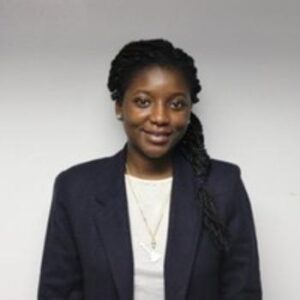 Dr. Azeezat K. Azeez is a Postdoctoral Fellow in Dr. Nolan Williams Brain Stimulation Lab at Stanford School of Medicine, her work primarily focuses on the resting-state fMRI changes that result from Transcranial Magnetic Stimulation(TMS) as a clinical intervention for psychiatric disorders. She is interested in exploring innovative methodological approaches to characterized neurological changes. Her graduate work at the New Jersey Institute of Technology was in the alterations in brain morphology, functional connectivity, and, network organization in Autism, specifically at the intersection of developmental stage, and biological sex.
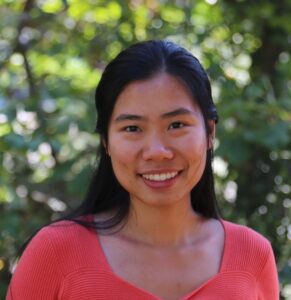 Dr. Jingxun Chen is a Jane Coffin Childs Postdoctoral Fellow in Anne Brunet’s lab in the Department of Genetics. Her research uses genomics, molecular, and cell biology approaches to understand how vertebrate reproductive organs develop and age, and to discover novel strategies to delay or reverse reproductive aging. Fascinated by reproductive biology since her college time at MIT, Jing pursued a PhD at UC Berkeley studying cellular mechanism of sexual reproduction. As a first-gen college student, she is deeply grateful to her past mentors, who inspired her commitment to teaching and mentorship. She helped organize the UC Berkeley NIH Bridges to Baccalaureate Program for 4 years during her PhD, and is now coordinating the postdoc-grad student mentoring program called Someone Like Me at Stanford.
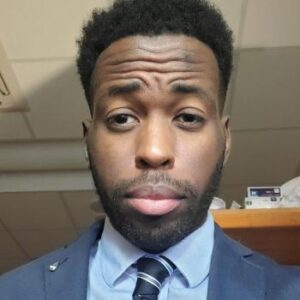
Dr. Colwyn Headley is a Postdoctoral Fellow in the lab of Dr. Philip Tsao, at the Stanford Cardiovascular Institute. Dr. Headley’s research examines the interplay among aging-associated immune dysregulation, cellular senescence, and mitochondrial dysfunction in the pathophysiology of cardiovascular diseases.
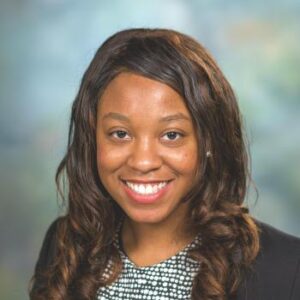
Dr. Allison K. Hester is a postdoctoral fellow at Stanford University in the Department of Medicine. As a postdoc in Everett Meyer’s lab Allison uses Treg cell immunotherapy to investigate immune tolerance induction for transplantation and autoimmunity. She is very interested in determining mechanisms that may rescue the defective Treg phenotype found in patients with Type 1 Diabetes (T1D). Allison received her BS in Biology from Howard University and obtained her Ph.D. in Immunology from the University of Texas Health Science Center at San Antonio where her work focused on inducing immune tolerance via antioxidant treatment of the thymus in the lab of Ann Griffith. Allison has a passion for bridging disciplines together and hopes to develop therapeutics towards the treatment and prevention of T1D.
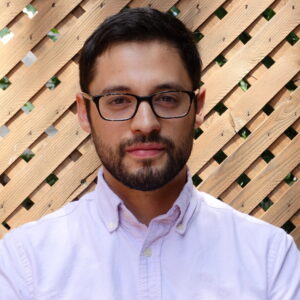
 Dr. Aluya Oseghale‘s primary goal is to develop a research career in hematology. As an African from a family background afflicted by hereditary hematologic disorders, Dr. Oseghale has longed to part of research efforts aimed at developing better treatments for blood diseases. His doctoral research was on sickle cell diseases where he investigated a novel derivative of butyrate as a potential disease modifier to ameliorate the illness. Dr. Oseghale’s current focus as a postdoctoral scholar, in the Porteus laboratory, is to use CRISPR/Cas9 for genomic modification of human hematopoietic stem and progenitor cells and primary T-cells for curative therapeutic applications. A major aim of the project is to develop a closed system for the manufacturing of genome-modified cells. This aim has the potential to reduce manufacturing costs associated with gene and cell therapy.
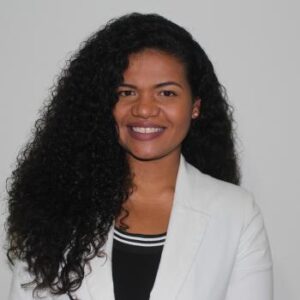 Dr. Barbara Rangel da Silva is a postdoctoral researcher in the Ophthalmology Department in the Stanford School of medicine. She received her MS and PhD degrees in Biological Sciences/Biophysics, with focus in Neuroscience, from the Federal University of Rio de Janeiro, Brazil. During her PhD she awarded a fellowship to develop part of her research at Dr. Larry Benowitz’ lab, at Harvard Medical School. Currently, as a second-year postdoctoral scholar at Dr. Yaping Joyce Liao’s lab, her research interest is to investigate the mechanisms of Anterior Ischemic Optic Neuropathy, a clinical disease with high impact for the aging population, that may lead to irreversible blindness. Barbara is focused in identifying biomarkers of disease progression and drivers of glia toxicity and neurodegeneration that could be targeted by drugs.
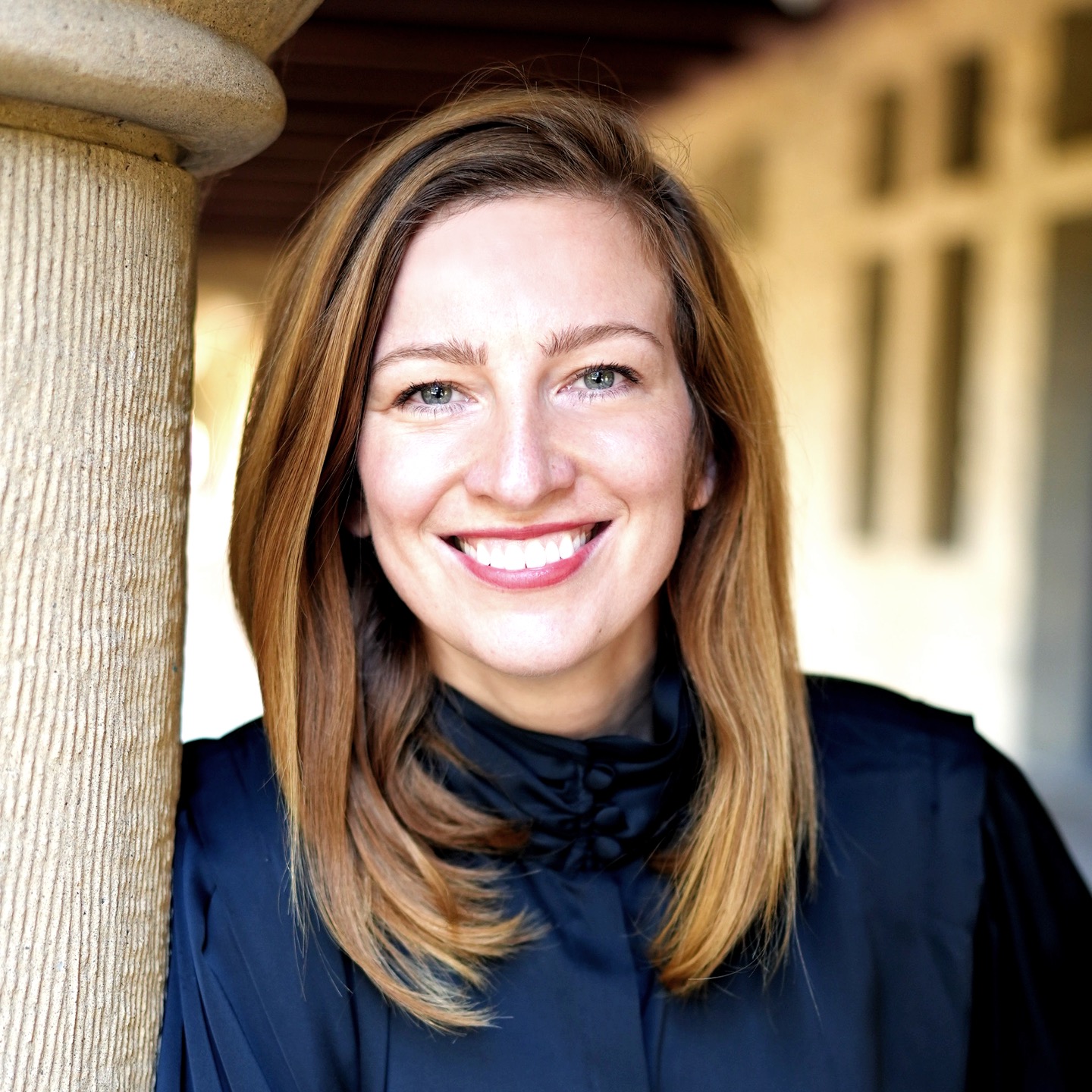 Dr. Stephanie Balters is a Postdoctoral Researcher at the Center for Interdisciplinary Brain Sciences Research at the Stanford School of Medicine. Her current research focus lies in engineering robust fNIRS systems for interface-embedded neurofeedback and advancing fNIRS hyperscanning applications for understanding human-to-human interactions. She received her PhD in Engineering Design from NTNU in Norway. Before joining the School of Medicine, Stephanie was a visiting researcher at the Center for Design Research and at the Computer Science Department as well as a Postdoctoral Researcher at the Radiology Department at Stanford University. She is an active member of the NATO Human Factors Specialist Team for Unmanned Aerial Systems.
 Dr. Eleanor Cole is a postdoctoral scholar at Stanford University working with Professor Antonio Hardan to develop novel transcranial magnetic stimulation (TMS) therapies for individuals with Autism Spectrum Disorder (ASD). Dr. Cole completed her PhD in Cognitive Neuroscience and Neuroimaging at The University of York in the UK. Her previous postdoctoral work with Dr. Nolan Williams at Stanford, was aimed at optimizing accelerated, individualized, neuronavigated TMS treatments for psychiatric conditions such as depression and OCD. Alongside her research, Dr. Cole has run an award-winning campaign supporting the mental health of students, organized peer support groups for adults with ASD and is currently volunteering as a counsellor for a crisis helpline.
 Dr. Fatima Enam is currently a postdoctoral fellow in the lab of Justin Sonnenburg at Stanford University School of Medicine. Lying at the intersection of synthetic biology and the gut microbiome, her research interests include engineering biological systems and expanding the repertoire of chemistry compatible with these living processes.She received her B.S. in Chemical Engineering from Bangladesh University of Engineering and Technology in 2014 and Ph.D. in Chemical Engineering at Iowa State University (2019), where her work focused on harnessing the programmability of microbes to understand the role of prebiotic oligosaccharides. Her current research in the Sonnenburg Lab focuses on developing approaches to engineer the gut microbiota and using in vivo gnotobiotic mouse models to understand underlying host-microbe interactions. Fatima was recently named one of MIT Chemical Rising Stars, a Leader of Tomorrow by the 2020 GapSummit and selected as a delegate to the 70th Lindau Nobel Laureate Meeting in Germany. She was recognized during her graduate studies by several honors including Iowa State’s Research Excellence Award, Teaching Excellence Award, Brown Graduate Fellowship and an honorable mention for the Karas Award for Outstanding Dissertation.

Dr. Leah Guthrie is a postdoc in the Department of Microbiology and Immunology in Justin Sonnenburg’s lab. As a postdoc, Leah combines experimental and computational approaches to study diverse questions relevant to the role of microbes in human health and disease: how gut microbes shape food and drug metabolism, how microbial metabolites shape human biology, and how the microbiome can be manipulated to benefit human health.
 Dr. Chinyere Agbaegbu Iweka is a postdoctoral researcher in the Neurology Department in the Stanford School of Medicine. She obtained a BSc in Biology at the University of Maryland, Baltimore County, an MS in Biotechnology from Johns Hopkins University, and a PhD in Neuroscience from Georgetown University. Chinyere is currently investigating the impact of circadian rhythm disruption on immunometabolism and consequently on stroke severity and outcome. The Jump Start Award has enabled her to develop, not only the K application but also her project. The feedback and peer reviews have been exceedingly helpful and has made the process of the K grant application less daunting and intimidating.
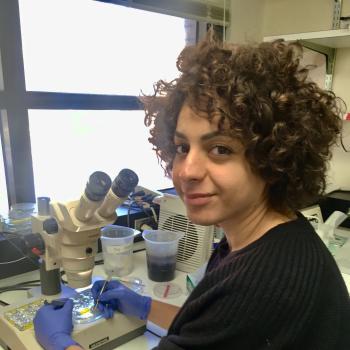 Dr. Husniye Kantarci is a Berry Postdoctoral Fellow in the Brad Zuchero lab, and was also a winner of a 2017 Stanford ChEM-H Postdocs at the Interface seed grant and a 2017 Stanford School of Medicine Dean’s Postdoctoral Fellowship. She is very interested in discovering the signals that enable the communications between glial cells and neurons, and understanding how these signals regulate neural function and myelination in the nervous system. Husniye attended Boğaziçi University in Istanbul, Turkey and majored in Molecular Biology and Genetics. She became fascinated with neural development during her undergraduate work and joined Dr. Bruce Riley’s lab at Texas A&M University for doctoral studies to study the genes and signaling pathways that regulate development of the inner ear neurons. During her PhD, Husniye characterized the signaling pathways that control formation, migration, and differentiation of inner ear neurons and discovered novel genes and mechanisms that govern inner ear neurogenesis. During her postdoctoral work, she is hoping elucidate novel pathways that regulate the interactions between the cells of the nervous system and characterize the role of disruptions in pathways in diseases of the brain. Husniye plans to power her postdoctoral work with hiking, cycling, climbing and running the wonderful trails of California.
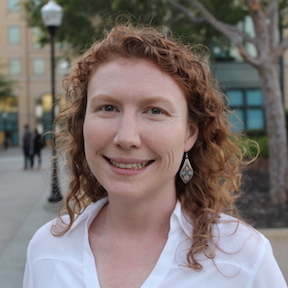 Dr. Joanna Lankester is a postdoctoral fellow who studies the epidemiology of cardiovascular disease using large-scale data. Her research uncovers the causal link between nutrition and cardiometabolic diseases where previous work has described correlations subject to confounding. She also studies women’s health outcomes and prediction of subsequent cardiovascular and other adverse events. She holds a PhD in electrical engineering and has worked as a software engineer and data scientist in industry. Joanna has truly enjoyed developing her scientific writing and becoming part of an amazing community of scientists through the Jump Start program.
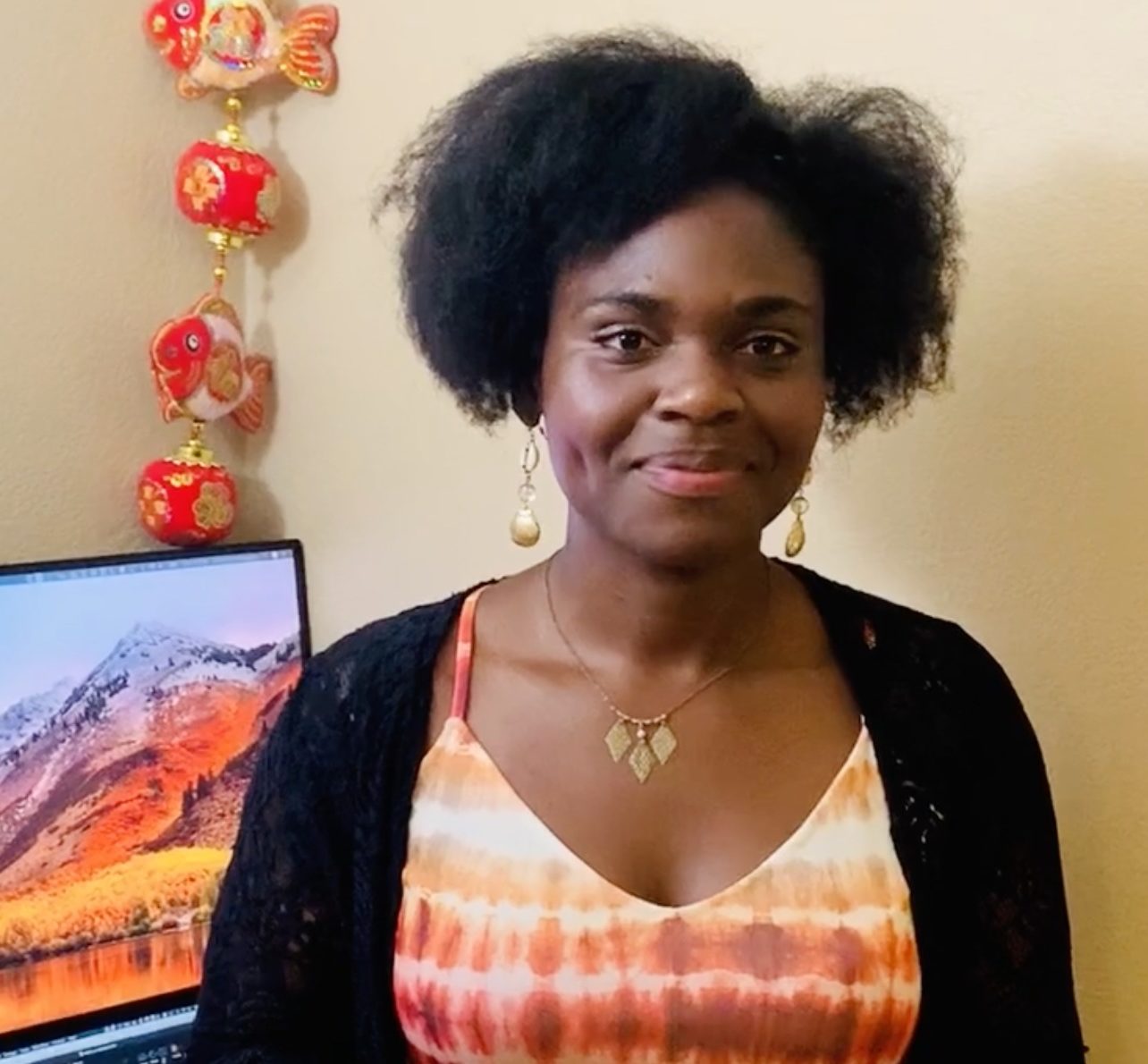 Dr. Catherine Tcheandjieu is currently a postdoc in Dr. Assimes’s lab in the Department of Medicine, Stanford School of Medicine, and at the Palo Alto Epidemiology Research and Information Center (ERIC) for Genomics, where she studies the genetic risk factors for Cardiovascular disease. She has been leading the current multi-ethnic GWAS of Coronary artery disease in the Million Veteran Program with meta-analysis including currently available data from Cardiogram+C4D, the UK-Biobank, and the Biobank Japan (>1M participants). Dr. Tcheandjieu received a doctorate in Veterinary Medicine degree from the National High school of veterinary Medicine in Alger (Algeria) in 2010 and a Ph.D. in Genetic Epidemiology at the University of Paris Saclay (France) in 2017. Her research interest is to define the genetic architecture of Cardiovascular Diseases (CVD) in diverse populations and develop genetic approaches for disease risk prediction and therapeutic targeting beneficial to these populations.
Dr. R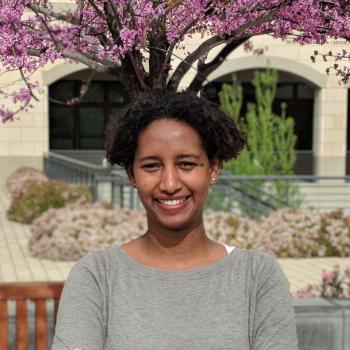 ahel Woldeyes is a postdoctoral fellow in the Wah Chiu group in the Bioengineering department at Stanford University. For Rahel’s graduate work, she studied the effects of conformational heterogeneity in protein function using various structural biology techniques. In her current research she is interested in answering the same structural questions of her graduate training but within cells. Rahel wants to bridge the gap between structural and cellular biology using cryo-electron tomography-based imaging techniques.